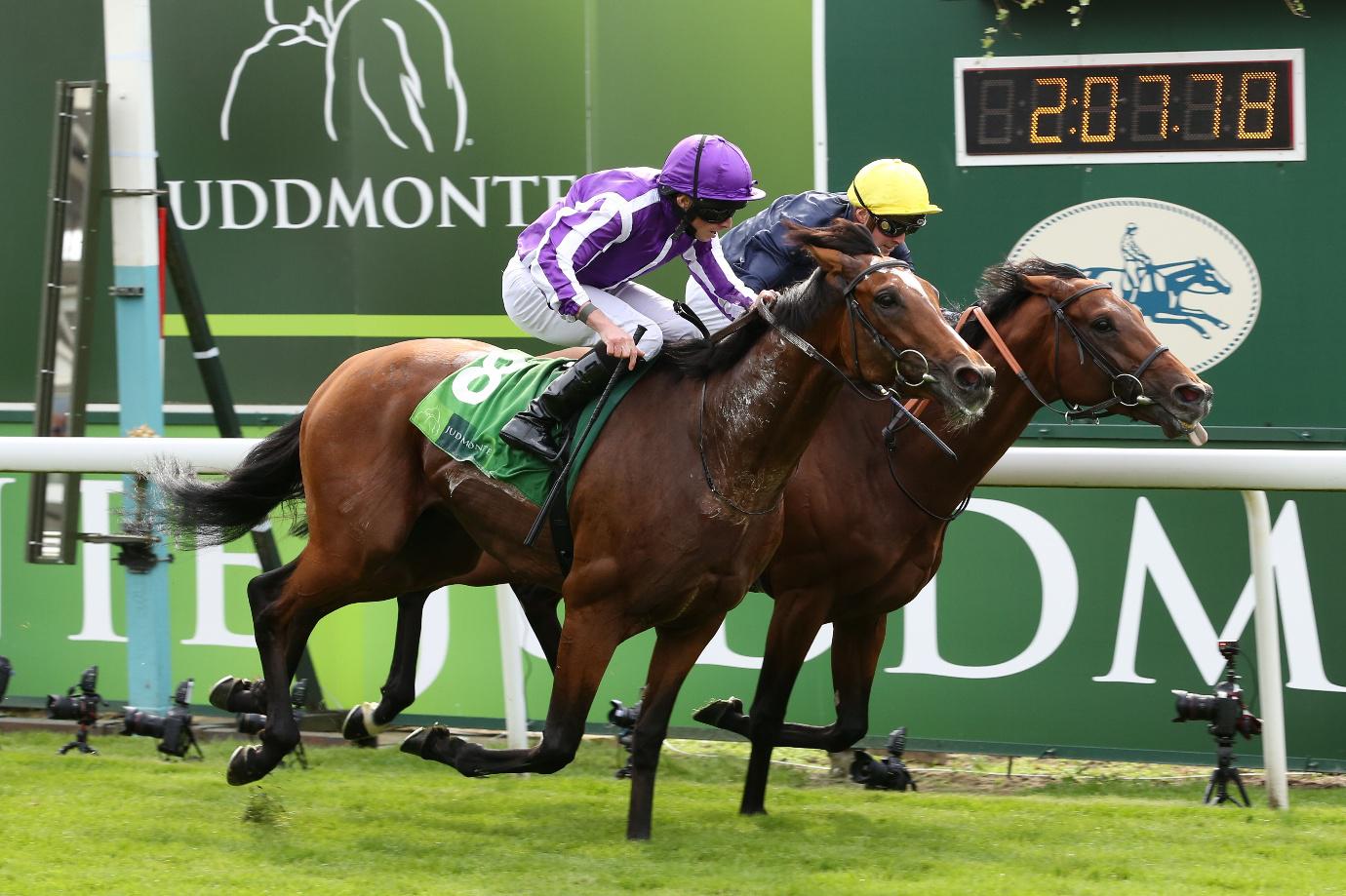
The top trainer and jockey combinations in the United Kingdom and Ireland

In the world of horse racing betting, knowing which partnerships to follow can be the difference between winning and losing. Few things are more influential in a race than the synergy between a trainer and their go-to jockey.

Over time, certain pairings become synonymous with success—delivering winners at major festivals and dominating across the flat and jumps seasons.

In this guide, we explore some of the top trainer and jockey combinations in the United Kingdom and Ireland that punters and fans of horse racing betting should have firmly on their radar.

Aidan O’Brien and Ryan Moore

When it comes to elite-level success, no partnership on the planet boasts the global reach and consistency of Aidan O’Brien and Ryan Moore.

Representing the powerhouse Ballydoyle-Coolmore axis, this duo is a dominant force across the UK, Ireland, and beyond.

From Group 1 juvenile winners at the Curragh to Classic triumphs at Epsom and Royal Ascot, O’Brien’s meticulous preparation and Moore’s ice-cool race riding make them the standard-bearers in top-class racing.

The pair enjoyed another Oaks-Derby double at Epsom at the start of June, marking the fifth time they have completed the rare feat.

Ralph Beckett and Rossa Ryan

A more recent but fast-rising combination, Ralph Beckett and Rossa Ryan are making waves with their consistent performance.

Beckett is best known for his skill in bringing horses to peak condition, and Ryan has matured into one of the UK’s most reliable jockeys.

Together, their best showing to date has come in the Prix de l’Arc de Triomphe with the classy mare Bluestocking in 2024.

Meanwhile, Ryan is currently third in the race for the Jockeys’ Championship, though he is some way behind fellow Irish jockey Oisin Murphy.

Andrew Balding and Oisin Murphy

That leads us nicely onto Murphy, whose partnership with Andrew Balding has long been a fixture of the British flat racing scene.

As a four-time champion jockey, the Irishman combines flair with tactical astuteness, while Balding’s Kingsclere operation regularly churns out high-quality thoroughbreds for elite owners.

The duo has excelled with horses like Alcohol Free and the fastest ever Guineas winner Kameko. When this pair teams up, it pays to take note.

Charlie Appleby and William Buick

No list would be complete without William Buick and Charlie Appleby, the cornerstone of Godolphin’s European operation.

This combination has enjoyed a phenomenal win rate in the big races, notably completing a Guineas double with Ruling Court and Desert Flower at Newmarket in May.

Appleby’s elite training methods and state-of-the-art facilities at Moulton Paddocks and Buick’s intuitive riding skills have brought success not just at home, but also abroad at the likes of the Breeders’ Cup and in the Middle East.

Their consistency and big-race prowess make them a favourite among punters and a vital reference point for form students.

Understanding the chemistry between top trainers and their retained jockeys is key. From the established brilliance of O’Brien and Moore to the emerging power of Beckett and Ryan, these trainer and jockey combinations offer valuable clues for anyone interested in horse racing betting.

What Makes a Champion Racehorse Trainer? Traits of the Greats

It’s not easy to train a champion racehorse. It’s about more than knowledgeof horses and racing; it involves a set of traits that separate good trainers from great ones. These traits help trainers get the best from their horses and be favorites of the racing bookies. It can even mean the difference between life and death, as horses sometimes participate in dangerous races. Here is a simple look at what makes a successful champion racehorse trainer.

Discipline and Hard Work

One of the essential qualities you need is discipline. Good trainers get up early every day, work out even when they are tired and get things done. They adhere to strict feeding, exercise, and horse care regimens. It is this hard work and consistency that is the base for winning in horse racing.

Patience

It takes time to train a racehorse. This can be a delicate matter, since pushing them too hard can cause more problems than it solves. The patience of a champion trainer is infinite. They get that every horse is an individual and needs to be handled in a gentle and respectful manner. This patience goes a long way in establishing trust between the trainer and the animal, a quality that is essential for success.

Knowledge and Experience

A good trainer is incredibly knowledgeable about horses — about their health and behavior, and about how to train them properly. This understanding usually comes with years of handling horses in various situations. Trainers learn not only from vets and jockeys but also from other trainers how to identify any health problems early and adapt their training plans accordingly. This expertise is what helps keep horses in pristine condition, especially when training for dangerous races where safety is a priority.

Passion for Horses

Real champs fight with their heart, not in pursuit of the dollar or the spotlight. Great trainers love training horses and love the challenge they represent in helping them reach their full potential. This love of the sport is what pushes them through those tough stretches and long training days.

Natural Instinct and Observation

Top trainers possess an innate understanding of horses, often described as “horse whisperer” quality. They can read a horse’s mood and behavior and gauge when a horse wants to push harder or needs a rest. This instinct helps trainers develop a training program to fit the individual talents and personality of the horse.

Flexibility and Adaptability

There are notwo horses or races exactly the same. Good trainers are flexible and can make changes to their plans on the fly if necessary. From adjusting schedules to experimenting with new methods, it is being adaptable that enables trainers to deal with unexpected circumstances and keep their horses performing at their best.

Strong Communication Skills

A team, comprising a vet, a jockey, the horse owner, and stable staff all participate to some extent in the horse’s condition. Good trainers communicate first and foremost with everyone involved to make sure the horse’s needs are met. This partnership is significant when it comes to managing the horse’s health and getting ready for races.

Takeaways

So, a champion racehorse trainer blends discipline, patience, knowledge, passion, instinct, flexibility, communication, and confidence. These are the attributes that enable trainers to put horses on the track who can win races and stay sound, standing as champions on and off the racecourse. A champion trainer can prepare a horse to deal even with the most dangerous horse races in the world.

How Gate Position Affects Race Performance

horse racing

Gate position can be decisive in flat horse races. Track layout, ground conditions, and pace distribution all factor into how a starting gate can influence results. Punters who follow these details often gain an edge in understanding the race before it starts.

Understanding how gate draw affects performance helps to improve analysis. iOS and Android app for Irish punters makes this type of form study faster, especially when combined with real-time stats and horse behaviour trackers. That makes the starting gate more than a technical detail – it becomes part of strategic betting preparation.

Positional Bias at European Racecourses

Track architecture plays a big role in determining the value of gate draw. At tight circuits like Chester, inside stalls benefit sprinters. At Newmarket, wind and rail positioning affect draw bias.

Data shows that:

  • Shorter distances favour low-number gates on tight tracks.
  • Soft ground benefits horses drawn nearer to inside rails.
  • Straight mile courses often favour middle gate positions.

Betting platforms have adapted to these factors. Punters who watch trends by course often see the same biases repeated year after year. This reinforces how even minor gate-related statistics influence decisions and prices.

Evaluating Real Value of the Draw in Betting

Gate numbers do not always signal winning chances, but they affect how a race unfolds. Strong horses stuck wide can lose position early. Meanwhile, mid-range draw gives more options for jockey tactics.

The Horse racing bets market reflects this. Odds shift subtly after final declarations. Traders look at field size, weather, and past run styles to anticipate how the draw changes strategy.

Even in big races like the Irish Derby or Ascot’s handicaps, the betting impact from gates is clear. Knowing which horses suit certain draws allows bettors to act before prices shorten.

Modern Trends and Behavioural Angles

Gamblers now use predictive tools to assess value faster. Algorithms measure gate bias alongside trainer stats. Behavioural models also influence how punters react to numbers they see.

This links to the social impact of rates behaviour and gamification, especially on mobile apps. Micro-markets, instant odds and visual draw maps influence bettor confidence.

Horse racing remains data-driven, but psychology plays a growing role in how value is perceived. Tools built into apps show comparative positions, pace breakdowns, and form linked to draw history. Bookmakers now display that clearly to guide novice punters as well.

Cross-Market Connections in Betting Trends

While gate draw is race-specific, broader patterns exist. Bettors often apply racing habits to other sports.

For example, the idea of positional dominance is also familiar in football. Punters tracking Bayern Munich dominance Bundesliga often follow similar data-based methods to read games. This crossover of analytical thinking supports how betting behaviour evolves across verticals.

In this way, gate position analysis is more than about one race. It reflects a whole approach to finding advantage – fast, detail-based, and ready to adapt.

Finishing Thoughts

Gate position has moved from trivia to essential insight in modern racing. Horses adapt differently to where they start. Tactics shift based on draw, especially on unique courses.

Understanding how tracks behave with different conditions, along with draw-related history, gives punters an edge. Tech tools and apps speed up that learning.

For those willing to look beyond headline names and focus on structure and data, starting position becomes a sharp betting weapon.

HorsePower Defined: The 10 Best Racehorses of All Time

Racehorses have captivated audiences for centuries, blending athleticism, strategy, and raw power to etch their names into history. From legendary champions like Man O’ War to modern marvels such as Frankel, these equine athletes have redefined excellence in their sport.

But before soaking into the best, why not try the best Pusoy platform there is with GameZone? Play the top card game collection in the Philippines on the best online platform on the internet.

1. Man O’ War: The Unmatched Champion

Born: March 29, 1917

Pedigree: Fair Play x Mahubah

Career Highlights:

  • Won 20 of 21 races, including the Belmont Stakes and Travers Stakes.
  • Raced with steel shoes and carried heavy weights, often exceeding 130 lbs.
  • Retired as the highest-rated racehorse in history, with a legacy that influenced breeding for decades.

Man O’ War is widely regarded as the greatest racehorse of all time. His dominance in the early 20th century set benchmarks for speed, stamina, and versatility. Standing at 16.2 hands and weighing over 1,100 lbs., he won races at distances ranging from sprints to endurance tests, often against older horses. His only loss came in the Sanford Memorial Stakes, a controversial result that remains debated. Man O’ War’s impact extends beyond his racing career; he sired iconic stallions like Hardtack (father of Seabiscuit) and became a cultural icon, symbolizing excellence in American sports.


2. Secretariat: The Triple Crown Icon

Born: March 30, 1970

Pedigree: Bold Ruler x Somethingroyal

Career Highlights:

  • Won the 1973 Triple Crown, setting track records in all three races.
  • Belmont Stakes victory by 31 lengths, cementing his status as a legend.
  • Posthumously revealed to have a heart weighing 21–22 lbs., 2.5 times the average.


Secretariat’s meteoric rise in the 1970s captivated the nation. His 1973 Triple Crown campaign, marked by a blistering 2:24 Belmont Stakes time, remains one of the most iconic moments in racing history. Dubbed “Big Red,” he combined raw speed with endurance, earning him the nickname “the greatest racehorse of all time” by many fans. His legacy extends beyond racing; he inspired a film, Secretariat, and became a cultural phenomenon, gracing the covers of Time and Sports Illustrated.


3. Kelso: The Unlikely Champion

Born: April 4, 1957

Pedigree: Your Host x Maid of Flight

Career Highlights:

  • Won five consecutive Jockey Club Gold Cups (1960–1964).
  • Voted Horse of the Year five times (1960–1964).
  • Retired as the highest-earning racehorse until 1979.

Kelso defied expectations as a “runt” foal who became a racing legend. A gelding with a humble pedigree, he dominated the 1960s with his durability and versatility, winning on dirt and turf. His five Jockey Club Gold Cup victories showcased his stamina, and his $1.97 million earnings (adjusted for inflation) underscored his economic impact. Kelso’s legacy lies in his consistency and adaptability, proving that greatness can emerge from unexpected beginnings.


4. Frankel: The Unbeaten British Sensation

Born: February 11, 2008

Pedigree: Galileo x Kind

Career Highlights:

  • Retired undefeated in 14 races, including the 2,000 Guineas and Queen Elizabeth II Stakes.
  • Timeform rating of 147, the highest ever awarded.
  • Sired 20 champion horses, including Cracksman and Logician.

Frankel’s flawless career redefined excellence in European racing. Trained by Sir Henry Cecil, he won races from 7 furlongs to 1¼ miles, showcasing his versatility. His 6-length victory in the 2011 2,000 Guineas and his dominance in the Champion Stakes solidified his reputation as one of the greatest turf horses ever. Frankel’s stud career has further cemented his legacy, producing multiple Group 1 winners.


5. Black Caviar: Australia’s Unbeaten Queen

Born: August 18, 2006

Pedigree: Bel Esprit x Helsinge

Career Highlights:

  • Retired undefeated in 25 races, including 15 Group 1 victories.
  • Named WTRR World Champion Sprinter four times (2010–2013).
  • Inducted into Australia’s Racing Hall of Fame.

Black Caviar’s career was a masterclass in speed and consistency. The Australian sprinter dominated races from 5 furlongs to 6 furlongs, earning her the nickname “The Black Flash.” Her 2012 Diamond Jubilee Stakes victory at Royal Ascot, where she won by a nose, showcased her grit. Retired in 2013, she remains a cultural icon in Australia, with a bronze statue in Nagambie and a legacy that continues through her offspring.


6. Chorisbar: The Winning Machine

Born: 1935

Pedigree: Puerto Rican Thoroughbred

Career Highlights:

  • Won 197 races from 324 starts (1977–1947).
  • Holds the Guinness World Record for most career wins.
  • Earned $44,000 in prize money during his era.

Chorisbar’s longevity and prolific winning record make him a standout. Racing in Puerto Rico and the U.S., he competed for over a decade, adapting to changing conditions and opponents. While his earnings were modest by modern standards, his sheer volume of victories underscores his durability and consistency.


7. Orfevre: Japan’s Triple Crown Hero

Born: March 14, 2008

Pedigree: Stay Gold x Oriental Art

Career Highlights:

  • Won the Japanese Triple Crown (2011).
  • Japanese Horse of the Year (2011).
  • Retired with a final victory in the Arima Kinen by 8 lengths.

Orfevre’s career was marked by brilliance and unpredictability. His Japanese Triple Crown win in 2011 solidified his status as a national hero, and his dominant performances in races like the Prix de l’Arc de Triomphe (runner-up twice) showcased his global appeal. Despite his temperamental nature, he sired champions like Lucky Lilac, ensuring his legacy endures.


8. Dr. Fager: The Speed Demon

Born: 1964

Pedigree: Rough’n Tumble x Aspidistra

Career Highlights:

  • Set or equaled five track records, including a 1:32.2 mile.
  • Timeform rating of 137, tied for the highest ever.
  • Won the 1968 Horse of the Year title.

Dr. Fager’s blinding speed and versatility made him a legend. His 1968 campaign, where he won the Woodward Stakes, Brooklyn Handicap, and Suburban Handicap, remains one of the greatest single-season performances in racing history. His ability to dominate at distances from sprints to 1 1⁄4 miles earned him comparisons to Man O’ War.


9. Citation: The Triple Crown Pioneer

Born: April 11, 1945

Pedigree: Bull Lea x Hydroplane II

Career Highlights:

  • First horse to earn $1 million in prize money.
  • Won the 1948 Triple Crown and 16 consecutive races.
  • Sired 1948 Horse of the Year Fabius.

Citation’s career bridged the gap between post-war racing and modern eras. His Triple Crown victory and record earnings (adjusted for inflation) made him a trailblazer. His longevity—racing until age 6—proved his stamina, and his influence on breeding solidified his legacy.


10. Zenyatta: The Fan Favorite

Born: April 1, 2004

Pedigree: Street Cry x Vertigineux

Career Highlights:

  • Won 19 of 20 races, including the 2009 Breeders’ Cup Classic.
  • First filly to win the Breeders’ Cup Classic.
  • Inducted into the Racing Hall of Fame in 2016

Zenyatta’s career was defined by her late-race rallies and crowd-pleasing style. Her 2009 Breeders’ Cup Classic victory, where she overcame a 20-length deficit, became an iconic moment.