
Bigbunny login activity reflects a larger trend happening across the Philippine online casino industry.
More players are exploring digital gaming platforms as mobile access, e-wallet services, and online entertainment continue becoming part of everyday routines.
Casino websites today compete not only through games but also through accessibility, platform size, promotional systems, and player security.
As competition grows, users are beginning to compare online casinos more carefully before committing their time and money to one platform.
While Bigbunny has established itself as one of the many PAGCOR-registered gaming websites available to Filipino players, larger platforms such as GameZone continue gaining attention because of their wider game ecosystems and localized content.
Industry observers have noted how online casinos now follow increasingly similar structures. Most platforms provide registration pages connected to mobile verification, digital payment support, and multi-category gaming libraries.
Slot games, live dealer tables, sports betting, and arcade-style content are now standard across much of the market. However, despite these similarities, differences in scale and long-term user experience still influence player preferences.
GameZone has positioned itself as a broader alternative within this competitive landscape.
The platform combines international casino titles with traditional Filipino card games while continuously expanding its promotional campaigns and entertainment offerings.
For many players entering the market through Bigbunny login searches, platforms with larger content libraries and more familiar local experiences are becoming increasingly attractive.
The rapid growth of online casinos in the Philippines suggests that competition between platforms will likely continue intensifying in the years ahead.
Registration Standards Across Online Casinos
Online casino registration systems have evolved significantly as platforms adapt to stricter regulations and growing mobile usage in the Philippines.
Bigbunny, like many PAGCOR-regulated websites, uses a structured login and verification process designed to secure player accounts while simplifying access across devices.
Most casino platforms now require users to register using a mobile phone number together with a government-issued ID. These procedures help establish identity verification while reducing fraudulent activity and unauthorized account access.
In regulated gaming environments, verification systems are considered essential because player accounts are directly tied to deposits, withdrawals, rewards, and transaction records.
The shift towards mobile gaming has also changed how login pages are designed.
Casino operators increasingly prioritize responsive layouts and simplified navigation because a large percentage of Filipino users access gaming platforms primarily through smartphones.
Some websites additionally support account linking through Google or Facebook credentials to streamline registration and reduce sign-in time.
Security measures surrounding login systems have also become more sophisticated. Password protection, encrypted transactions, and identity confirmation protocols are now expected features rather than optional upgrades.
These tools help create safer digital environments for players engaging in online financial activity.
Despite these industry-wide similarities, casino login systems alone rarely determine long-term platform success.
Once users complete registration, attention often shifts towards game variety, ongoing promotions, customer support quality, and overall platform stability.
This is where larger gaming ecosystems tend to separate themselves from smaller competitors.
While Bigbunny provides the standard access expected from modern online casinos, players comparing multiple platforms often begin looking for broader content libraries and more feature-rich experiences after initial registration.
The Continuous Expansion of GameZone
As online casino competition increases, platforms are under greater pressure to provide more than basic slot games and live dealer tables.
GameZone has responded to this demand by building a gaming ecosystem that combines large-scale international content with locally recognized Filipino titles.
The platform currently features thousands of games sourced from multiple providers, giving players access to a broader range of entertainment categories compared to many smaller casino websites.
Slot titles, live casino games, arcade experiences, and speciality gaming formats are all integrated within the same platform environment, allowing users to move between different styles of gameplay without switching services.
One of GameZone’s strongest distinguishing factors is its emphasis on traditional Filipino card games.
Tongits, Pusoy, and Pusoy Dos remain central parts of the platform’s identity, reflecting the continued popularity of these games among local audiences.
By incorporating culturally familiar titles alongside international casino offerings, GameZone creates a more localized gaming experience that differs from platforms relying solely on imported content.
Promotional systems have also become an important competitive factor within the industry. GameZone regularly introduces limited-time campaigns, seasonal bonuses, and special event rewards designed to encourage long-term platform engagement.
These rotating activities help maintain user interest while adding value beyond standard casino gameplay.
Payment flexibility continues to influence player preferences as well. Support for services such as GCash, Maya, GrabPay, and QR PH-compatible channels has become increasingly important as more Filipinos adopt digital wallet transactions.
For players initially exploring online casinos through Bigbunny login searches, GameZone presents a larger platform designed around variety, accessibility, and continuous content expansion.
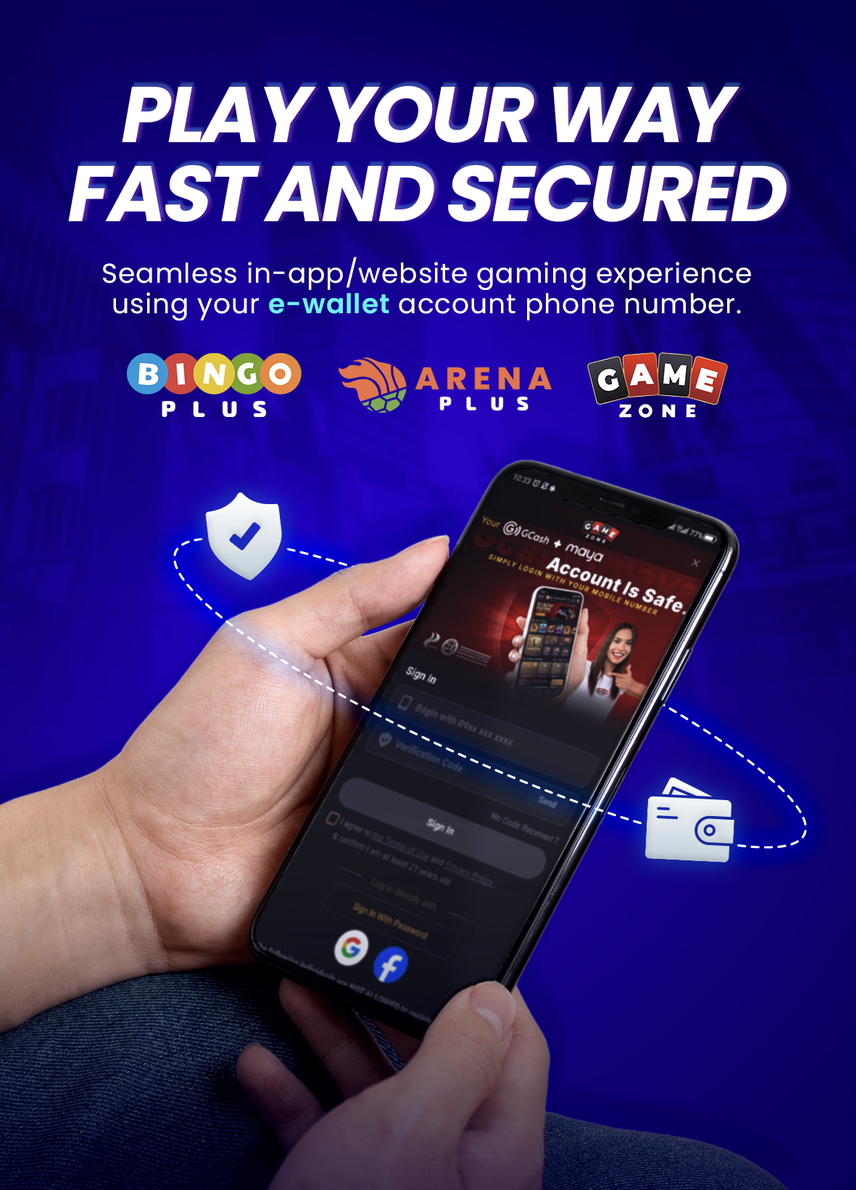
GameZone Strengthens Its Position as Top Dog
Online casino platforms are no longer judged solely by the number of games they provide. Players are increasingly prioritizing security systems, payment convenience, and long-term platform reliability before choosing where to play regularly.
In response to these changing expectations, GameZone continues strengthening both its entertainment offerings and account protection measures.
The platform follows verification procedures commonly associated with regulated gaming environments. Players are typically required to submit government-issued identification and mobile verification details before gaining full account access.
These systems help support responsible gaming standards while improving protection against fraudulent activity and unauthorized transactions.
Digital payment accessibility has also become a major advantage for platforms operating in the Philippines. GameZone integrates several widely used payment solutions, helping simplify deposits and withdrawals for users across different regions.
Familiar e-wallet systems allow players to manage transactions more efficiently while maintaining convenience through mobile devices.
At the same time, GameZone continues investing in local relevance through Filipino card games and recurring community-driven events.
This combination of international casino content and culturally familiar gaming options helps broaden the platform’s appeal among different player groups.
As the Philippine online casino industry continues expanding, users are becoming more aware of the differences between standard casino websites and platforms offering wider entertainment ecosystems.
BigBunny login searches may introduce players to the broader online gaming market, but many eventually begin prioritizing larger libraries, localized experiences, and stronger account security when selecting a long-term platform.
GameZone remains one of the platforms continuing to build around those expectations while adapting to the growing demands of the modern online casino audience.
FAQs
Q: What is Bigbunny?
A: Bigbunny is a PAGCOR-registered online casino platform that offers slots, live casino games, and other digital betting options.
Q: Is Bigbunny affiliated with GameZone?
A: No. BigBunny and GameZone are separate online casino platforms.
Q: Does GameZone include free-to-play features?
A: Yes. Some games and events provide free daily play opportunities.
Q: What is needed to register on GameZone?
A: Players need a valid government-issued ID and your mobile number.
Q: Which payment methods are supported by GameZone?
A: GameZone supports GCash, Maya, GrabPay, QR-PH services, and other digital e-merchant payment channels.
 The Kentucky Derby captures attention every year as one of the most exciting and unpredictable events in horse racing. Fans and bettors alike focus on the field, the odds, and the storylines leading into the race. By the time Derby day arrives, every horse carries a reputation that shapes how it is perceived.
 Horse racing is often described as a contest between the fastest horses, yet the rider on top plays a far greater role than many casual fans realise. At speeds that can reach around 40 miles per hour, jockeys must make rapid decisions while maintaining balance and control over a powerful animal weighing several hundred kilograms. A race can change in the space of seconds, with the small details like positioning and timing massively shaping the outcomes of a race. Trainers and analysts have long stated that tactical riding could massively transform the likelihood of a certain horse winning. Looking at jockey strategy and how it works can help to explain why some jockeys are more successful and consistent than others.
 With the Festival running from Tuesday 10th to Friday 13th March at Prestbury Park, the