
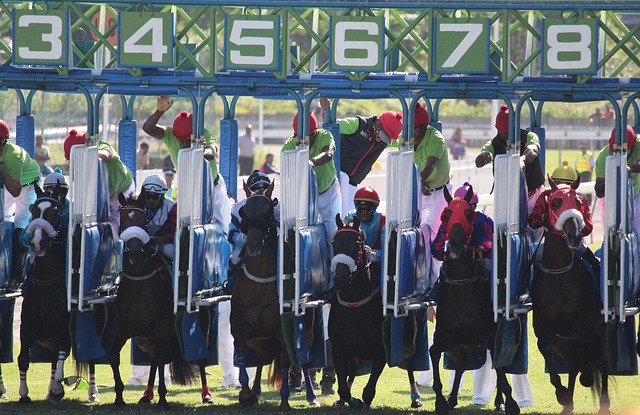
 Jockeys are more than just athletes riding at high speeds. Every time they step into the saddle, they carry hours of preparation, observation, and strategy with them. Analysing a race and understanding opponents is as much a part of the job as physical fitness and riding skill. This behind-the-scenes work often makes the difference between finishing in the pack or crossing the line first.
Studying Race Footage and Past Performances
Preparation begins long before the starting gates open. Jockeys spend time reviewing recordings of previous races to understand the strengths and weaknesses of both their own mounts and their rivals. By studying how a horse handles different types of ground, reacts to pressure, or responds in the final furlong, jockeys can adjust their riding plan.
Footage is not just about watching the competition; it also helps riders reflect on their own performances. This self-analysis allows them to refine techniques, from timing a run to conserving energy. It also helps in identifying small but vital details, such as when a horse tends to change lead legs or how it reacts when boxed in. Jockeys are not the only ones who study races closely, many punters do the same before placing wagers. This is true whether they are betting in person at the track or visiting the non-Gamstop betting sites that are very attractive for bettors in the UK as they offer competitive horse racing odds, swift payouts, and generous bonuses like welcome offers, odds boosts, and free bets. Just as jockeys examine performance patterns and track conditions, punters review form guides, race footage, and statistics to decide where their money goes. The difference is that for jockeys, this analysis is not just about predicting the winner—it’s about shaping the ride itself and giving their horse the best possible chance of crossing the line first.
Reading the Race Conditions
No two races are the same, even at the same track. Jockeys look closely at the going, the weather forecast, and the draw. A wide draw might mean a different approach to the first bend, while soft ground could call for a steadier pace in the early stages.
These conditions influence not only the overall race plan but also the tactics for handling specific opponents. For example, if a rival horse is known to fade in the mud, a jockey might decide to apply pressure earlier. Understanding how these variables interact helps jockeys position themselves in the best possible spot throughout the race.
Assessing Opponents’ Styles and Tendencies
Every jockey has a distinct style, and every horse has unique habits. Some rivals prefer to dictate the pace from the front, while others excel at making late runs. By observing these tendencies, jockeys can anticipate moves before they happen.
During warm-ups or in previous encounters, riders take note of how competitors react in tight spaces, how aggressive they are in holding their line, and whether they tend to leave gaps that can be exploited. This mental database of riding patterns helps in making split-second decisions under pressure.
Communication with Trainers and Owners
A jockey’s analysis is never done in isolation. Trainers and owners bring their own insights, having worked closely with the horse during training. They can provide information on the horse’s current fitness, preferred racing style, and any adjustments since its last outing.
Pre-race discussions often involve going through the race plan in detail, considering both the horse’s natural tendencies and the likely tactics of the competition. These conversations ensure that everyone involved is on the same page, increasing the chances of executing the strategy effectively.
Adapting in the Heat of the Race
Even with thorough preparation, races rarely unfold exactly as expected. Jockeys must process new information instantly, whether that’s a rival making an unexpected move, a change in pace, or a gap opening along the rail.
Experience plays a major role here. Riders learn to read the body language of horses around them, anticipate changes in rhythm, and decide when to stick to the original plan or switch tactics. This adaptability is often what separates winning rides from near misses.
The Mental Side of Race Analysis
Beyond the physical and tactical elements, there’s a strong mental component to analysing races. A strong mindset is pivotal for jockeys, as it allows them to commit fully to their race plan when the moment comes. Equally, mental flexibility is needed to cope with setbacks, such as being boxed in or finding the pace too slow.
Maintaining focus over multiple races in a day calls for sharp mental discipline. Each race is approached with a fresh mindset, ensuring that earlier results, good or bad, do not cloud judgment in the next outing. By continually working on mental resilience, jockeys give themselves the clarity and composure needed to turn preparation into performance.
Conclusion
Analysing races and opponents is a skill honed over the years in the saddle. It blends detailed preparation, sharp observation, teamwork, and the ability to adapt under pressure. For professional jockeys, success often comes down to reading the race just as clearly as they ride it. Every detail, whether spotted in a video replay, discussed in the weighing room, or sensed mid-race, can be the small advantage that leads to victory.